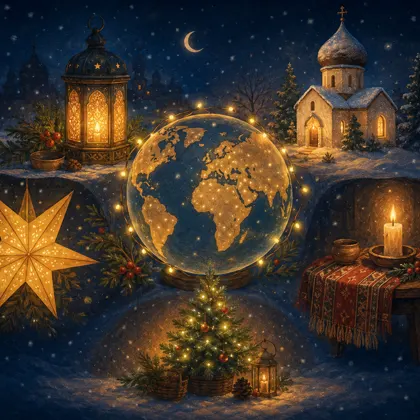
Christmas is shared by millions of people, but it is not celebrated in one single pattern. The biggest differences are often simple to spot: when the main celebration happens, and who is imagined bringing the gifts. In one country, the centre of the holiday may be Christmas Eve dinner. In another, the children may wait for Epiphany. Somewhere else, Christmas is quieter while New Year carries the presents.
This guide is about customs, meals, gift-bringers, and family rhythms. If you are looking for the clock question - which place reaches Christmas first or last - use the Christmas around the world time-zone page. Customs are messier and more interesting than time zones, because households mix religion, family memory, modern habits, and local culture.
Christmas traditions by country
These short country notes are broad introductions rather than rules for every household. Cities, churches, regions, and families often keep their own mix of older customs and modern Santa traditions.

Czechia
Štědrý den, Christmas Eve, brings the festive meal, carp traditions, and gifts from Ježíšek, the Baby Jesus. Children may also hear the golden pig saying during the daytime wait.
Ethiopia
Ganna is celebrated on 7 January, with worship at the heart of the day. White netela garments, processions, fasting traditions, and family meals make the season feel distinct.
Germany
Christmas Eve, Heiligabend, is often the family centre: dinner, the tree, church for some households, and presents in the evening. Advent wreaths and Christmas markets give the run-up its glow.
Iceland
Iceland has thirteen Yule Lads who arrive one by one before Christmas. Shoes in windowsills, small treats, books on Christmas Eve, and long winter nights give the season its character.

Italy
Nativity scenes, Christmas meals, and Epiphany all shape the season. Babbo Natale is familiar, while La Befana leaves treats or small gifts on the night before 6 January.

Japan
Christmas is mostly secular in Japan, with illuminations, Christmas cake, dates, and shop displays. The KFC Christmas meal is a modern tradition rather than an old religious custom.
Mexico
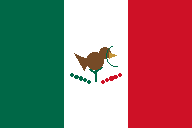
Las Posadas leads toward Nochebuena, when families gather for food, music, church, and a late celebration. Gift customs vary, with Santa, el Niño Dios, and the Three Kings all familiar.
Netherlands
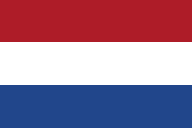
Sinterklaas on 5 December is the main winter gift moment for many Dutch families. Pakjesavond brings presents, poems, surprises, and a celebration that sits before Christmas itself.
Philippines
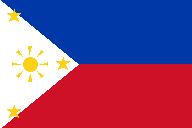
The Christmas season starts early and feels public, musical, and bright. Simbang Gabi, parol lanterns, carols, and Nochebuena make Christmas Eve a major family moment.
Poland
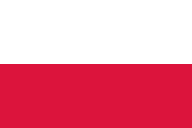
Wigilia, the Christmas Eve meal, commonly begins after the first star appears. Families share opłatek, leave an extra place at the table, and keep the evening focused on welcome.
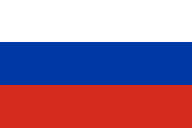
Russia
New Year carries the main present-giving role in many Russian households, with Ded Moroz and Snegurochka. Orthodox Christmas on 7 January is more strongly connected with church and family observance.
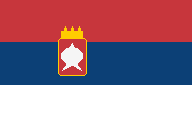
Serbia
Many Serbian Orthodox households celebrate Christmas on 7 January. Christmas Eve often includes badnjak oak-branch customs, church, family food, and a strong sense of blessing the home.
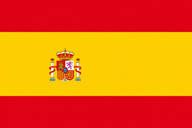
Spain
Christmas Day matters, but 6 January is a major gift day for many families. Children wait for los Reyes Magos, towns hold cabalgatas, and families share roscón de reyes.
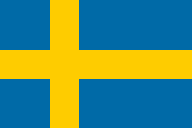
Sweden
Christmas Eve is the main family day in many Swedish homes, with julbord, candles, and gifts. Jultomten brings presents in a style that blends Santa with older tomte folklore.
Gift-bringers and festive figures
Santa Claus and Father Christmas are widely recognised, but many countries have another figure or a local tradition that gives the season its own personality.
Father Christmas
Father Christmas is the familiar red-robed gift-bringer in the UK and many English-speaking homes, closely related to Santa Claus. He usually belongs to Christmas Eve night or Christmas morning, with stockings, letters, and a little theatrical magic for children.
The Christkind
The Christkind, or Christ Child, is a gift-bringer in parts of Germany, Austria, Switzerland, and nearby traditions. In many homes the gifts appear mysteriously while children wait for the room to be ready.
Ded Moroz and Snegurochka
Ded Moroz, Grandfather Frost, is closely tied to New Year celebrations in Russia and other post-Soviet traditions. He is often accompanied by Snegurochka, the Snow Maiden.
Ježíšek
Ježíšek, the Baby Jesus, is the Christmas Eve gift-bringer in Czech homes and neighbouring traditions. The figure is usually kept mysterious, which helps the evening feel magical.
Jultomten
Jultomten is Sweden's Christmas gift-bringer, shaped by both Santa Claus and older tomte folklore. The tomte began as a small household or farm guardian, which gives the figure a homely feel.
La Befana
La Befana is Italy's Epiphany visitor, said to arrive on the night before 6 January. She brings sweets or small gifts, giving the end of the Christmas season its own folklore.
Parol and Simbang Gabi
This is not a Santa figure, but it is one of the Philippines' strongest Christmas images. Parol lanterns and Simbang Gabi dawn masses make the countdown visible in streets, churches, and homes.
Sinterklaas
Sinterklaas belongs mainly to 5 December in the Netherlands, not Christmas morning. Pakjesavond is a playful gift night of poems, surprises, family jokes, and carefully wrapped presents.
The Yule Lads
Iceland's Jólasveinar, or Yule Lads, arrive one at a time during the thirteen nights before Christmas. Children leave shoes in the window and may find a treat inside.
Countries that celebrate on Christmas Eve
In many parts of Europe and Latin America, the emotional centre of Christmas is not the morning of 25 December. It is the evening before. Germany's Heiligabend is a good example: many households gather on Christmas Eve, attend a service or share a meal, and open gifts that evening. The gift-bringer may be the Christkind in some regions and families, while Weihnachtsmann or Santa-like figures are familiar too.
Poland's Wigilia is another strong Christmas Eve tradition. Families commonly wait for the first star before beginning supper, share the opłatek wafer, and leave an extra place at the table as a sign of welcome. Across Sweden, Czechia, Mexico, and many other places, the evening before Christmas is also when the season feels most alive.
Where gifts come at Epiphany
In Spain, 6 January remains one of the great gift days of the season. Children write to los Reyes Magos, the Three Kings, and many towns hold cabalgatas, or processions, on the evening before. Families share roscón de reyes, a ring-shaped sweet bread associated with Epiphany. Santa Claus is familiar in Spain too, but the Three Kings keep a special place.
Epiphany also shapes customs across parts of Latin America, where los Reyes Magos may bring gifts, sweets, or a second wave of celebration after Christmas Day. In Italy, Epiphany belongs strongly to La Befana, the old woman who visits children on the night of 5 January and leaves treats or small gifts. The story has a different texture from Santa: more folklore, broomstick, and winter hearth than sleigh and reindeer.
These customs are a reminder that Christmas is not only one day. The older season runs beyond 25 December into Epiphany, which is why the Twelve Days of Christmas begin on Christmas Day and lead toward 5 January.
Countries that celebrate on 7 January
Some churches and communities follow calendars that place Christmas on 7 January in the civil calendar. Serbian Orthodox families often keep Christmas then, with customs such as the badnjak oak branch, festive meals, and church services. Ethiopia celebrates Ganna on 7 January, with worship at the centre of the day and many people wearing white netela garments.
Russia, Georgia, Eritrea, and other Orthodox or Eastern Christian communities also have important January Christmas observances, though practice varies by country, church, and household. Ukraine is a good example of why careful wording matters: 25 December has become an official and widely adopted Christmas date there in recent years, while some families and churches continue older January observances too.
If January Christmas is the date you are counting toward, the Orthodox Christmas countdown gives that answer directly.
Distinctive national traditions
Japan shows how Christmas can become popular even where it is not mainly a religious holiday. For many people there, Christmas is secular, romantic, and city-lit: illuminations, decorated shops, Christmas cake, and dates on Christmas Eve. The famous KFC Christmas meal is real, but it is modern and marketing-driven rather than ancient or universal.
The Philippines has one of the longest Christmas seasons in the world. Parol lanterns, carols, family gatherings, and Simbang Gabi - the series of dawn masses before Christmas - make the run-up feel long, public, and deeply woven into community life. Nochebuena then brings the family meal after late-night worship or Christmas Eve celebrations.
Iceland's Jólabókaflóðið, often translated as the Christmas book flood, gives Christmas Eve a beautifully quiet shape: books are given, opened, and read. Alongside the Yule Lads and long winter nights, it turns waiting into something warm and inward.
What these traditions have in common
The details change, but the common threads are easy to recognise: light in the darkest season, food that brings people to one table, generosity toward children and guests, and a period of waiting that makes the day feel earned. That is also why Advent matters in many traditions. It gives the waiting a shape before the feast arrives.
Whenever and wherever you celebrate, the live Christmas countdown runs in your own local time. It will not tell you whether your family opens presents on Christmas Eve, Epiphany, New Year, or Christmas morning, but it will tell you how long remains until your calendar reaches Christmas Day.
Christmas traditions FAQ
Which country celebrates Christmas first?
On the clock, places using UTC+14, including Kiritimati in Kiribati's Line Islands, are among the first to reach Christmas Day. The Christmas around the world time-zone page explains the first and last Christmas midnights.
Which countries celebrate Christmas on 7 January?
Some Orthodox and Eastern Christian communities celebrate Christmas on 7 January, including many Serbian, Ethiopian, Eritrean, Russian, Georgian, and other Orthodox households. Practice varies, and some countries now have both December and January observances.
Which countries open presents on Christmas Eve?
Christmas Eve gifts are common in many German, Polish, Czech, Scandinavian, and Latin American households. Local customs differ, but the main family meal and gift opening often happen before Christmas morning.
Who brings presents in different countries?
Gift-bringers include Father Christmas or Santa Claus, the Christkind, Sinterklaas, La Befana, Ded Moroz, los Reyes Magos, and Iceland's Yule Lads. In many places, families blend older local customs with modern Santa traditions.
 Privacy choices